Family: Household chemicals & care
Bar soap
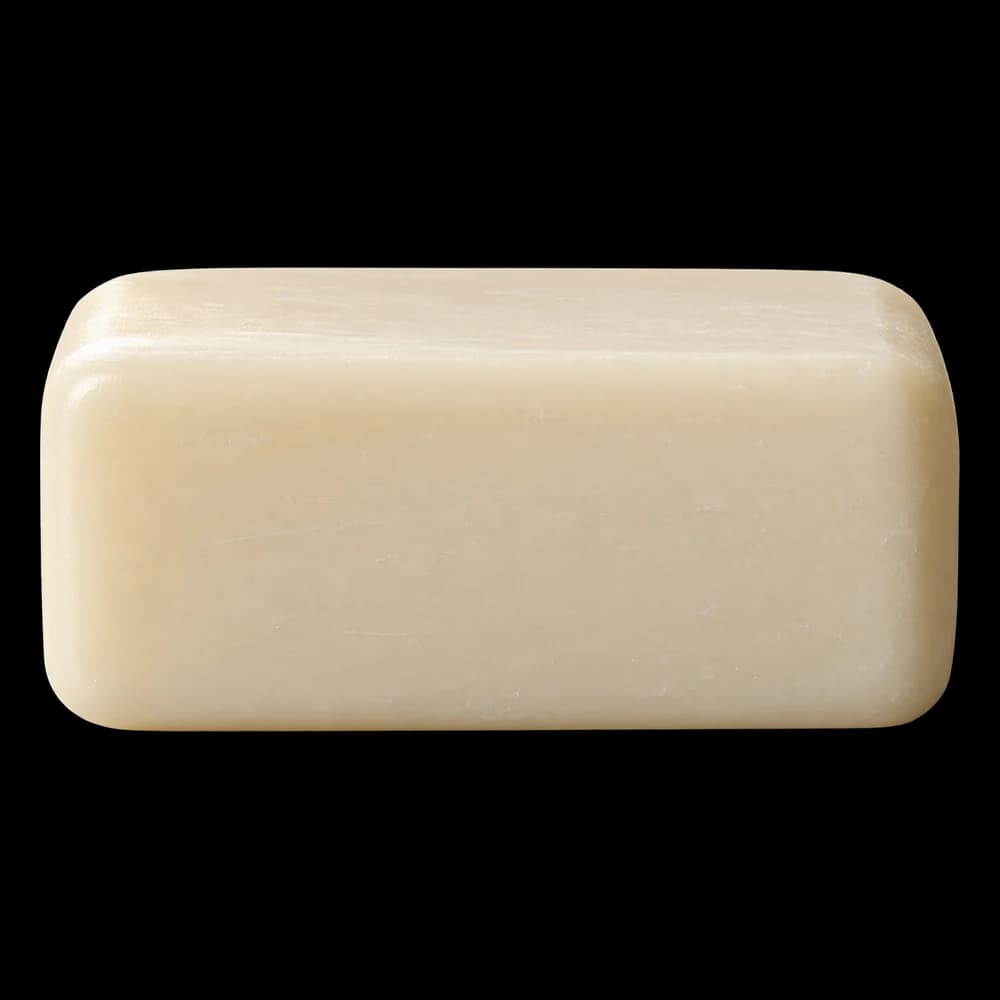
Bar soap is a solid cleanser made largely from saponified fats and oils.
The images are illustrations generated by a neural network, not photographs of the measured sample.
Overview
Bar soap is a solid cleanser made largely from saponified fats and oils. High-quality comparative evidence between bar and liquid formats is limited, and most public-health guidance treats correct handwashing technique and duration as more important than the product form. Reviews from bodies such as Cochrane and CDC focus on hand-hygiene behaviour rather than bar-versus-liquid outcomes. Documented properties include low packaging mass and a typically alkaline pH. Claims about hygiene risk from shared bars, or superiority over liquids, are not strongly supported by controlled data. Readers should treat cross-format comparisons as context-dependent and often uncertain rather than settled.
Sources and evidence: [1]
Properties
Production method
- How the cleanser is made
Saponification: animal or plant fat reacts with a strong alkali
More detail
Soap is a fatty acid salt obtained from the reaction of a strong base with a fatty substance of animal (tallow) or plant origin (oil). The method is old and chemically simple: the composition of the finished bar is set by which fat was used and how completely saponification ran. Hence the difference in kind from synthetic detergents — there the active substance is not boiled from fat but synthesised.
Quality indicators
- How preservation is verified
A microbial challenge test, alongside raw-material control and manufacturing practice
What is nearby
Sources and evidence
Sources by kind of evidence
REVIEWSystematic review2
Reader reviews
Reviews are published after moderation.
No published reviews yet.