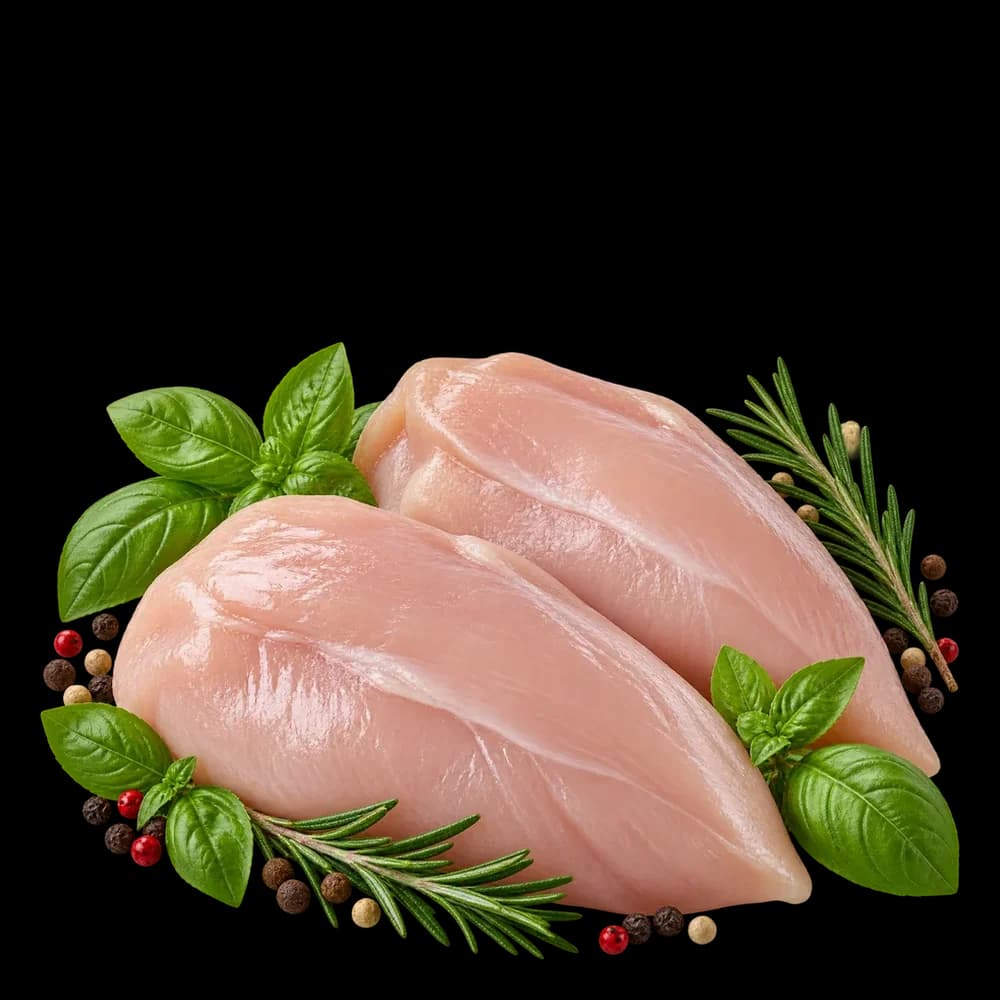
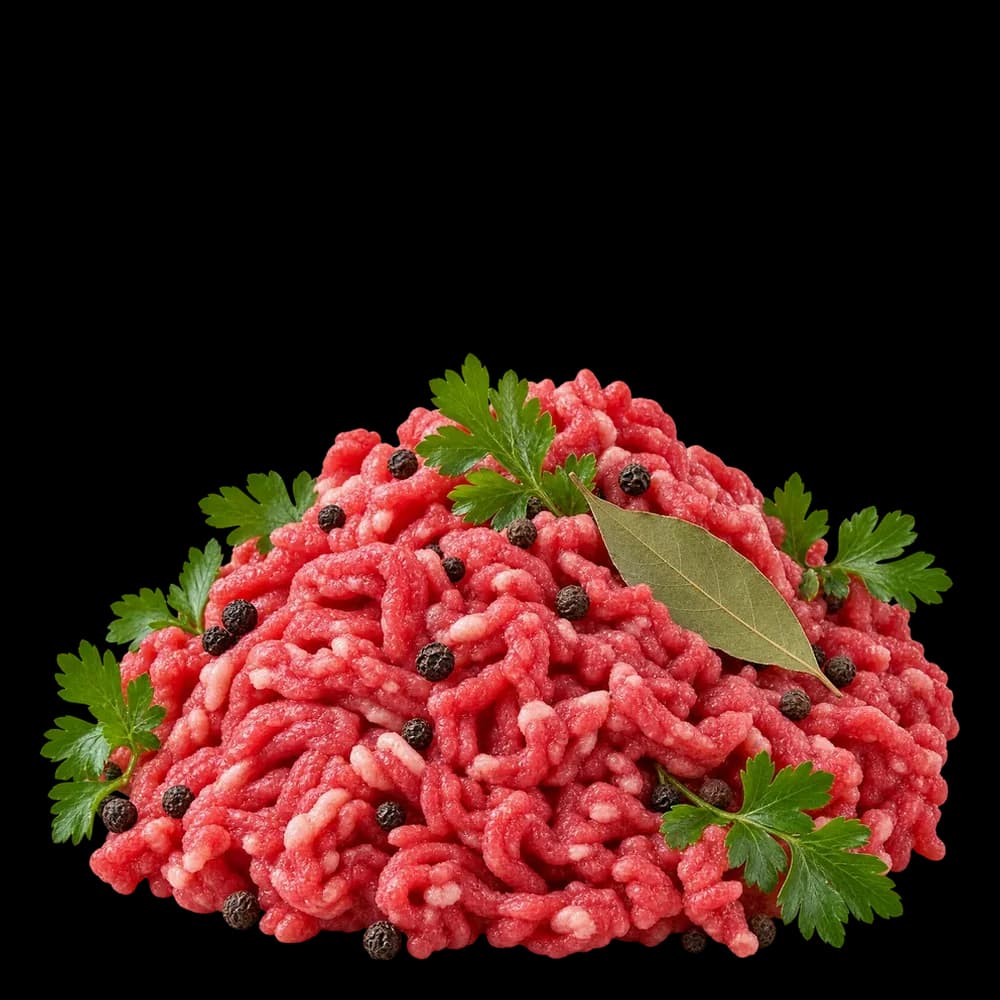
| Proximates5 |
|---|
| Energy The amount of energy the body obtains from a serving of food. It comes from protein, fat and carbohydrate and is measured in kilocalories.Read more → | ккал | Chicken120ккал | Beef215ккал | Difference↑+95ккал+79.2 %more at Beef, +79.2 % |
|---|
| Water | г | Chicken73.9г | Beef65.7г | Difference↓−8.2г−11.1 %more at Chicken, −11.1 % |
|---|
| Protein The body’s main building material: muscle, skin, enzymes and many hormones are made of protein. The body breaks dietary protein into amino acids and builds its own from them.Read more → | г | Chicken22.5г | Beef18.6г | Difference↓−3.9г−17.3 %more at Chicken, −17.3 % |
|---|
| Total fat All fats in the serving together. Fat supplies energy, carries vitamins A, D, E and K and forms part of every cell membrane; different kinds of fat differ in their health effects.Read more → | г | Chicken2.62г | Beef15г | Difference↑+12.38г+472.52 %more at Beef, +472.52 % |
|---|
| Ash | г | Chicken1.13г | Beef0.91г | Difference↓−0.22г−19.5 %more at Chicken, −19.5 % |
|---|
| Minerals10 |
|---|
| Calcium The mineral that bones and teeth are built from. It is also needed for muscle contraction, blood clotting and nerve signalling.Read more → | мг | Chicken5мг | Beef15мг | Difference↑+10мг+200 %more at Beef, +200 % |
|---|
| Iron A mineral in haemoglobin, the protein that carries oxygen through the blood. Its deficiency is the most common nutritional deficiency worldwide.Read more → | мг | Chicken0.37мг | Beef2.09мг | Difference↑+1.72мг+464.86 %more at Beef, +464.86 % |
|---|
| Magnesium A mineral required by hundreds of enzymes. It takes part in muscle and nerve function, energy production and bone building.Read more → | мг | Chicken28мг | Beef18мг | Difference↓−10мг−35.7 %more at Chicken, −35.7 % |
|---|
| Phosphorus A mineral that forms bone tissue together with calcium. It is also part of the molecules that carry energy inside the cell.Read more → | мг | Chicken213мг | Beef171мг | Difference↓−42мг−19.7 %more at Chicken, −19.7 % |
|---|
| Potassium A mineral that maintains the water balance of cells, muscle function and heart rhythm. It works in tandem with sodium.Read more → | мг | Chicken334мг | Beef295мг | Difference↓−39мг−11.7 %more at Chicken, −11.7 % |
|---|
| Sodium A mineral that holds fluid in the body and takes part in nerve signalling. Table salt is the main dietary source.Read more → | мг | Chicken45мг | Beef66мг | Difference↑+21мг+46.7 %more at Beef, +46.7 % |
|---|
| Zinc A mineral needed by the immune system, for wound healing and for taste and smell. It is part of many enzymes.Read more → | мг | Chicken0.68мг | Beef4.48мг | Difference↑+3.8мг+558.82 %more at Beef, +558.82 % |
|---|
| Copper A mineral involved in iron absorption, nerve function and the formation of connective tissue.Read more → | мг | Chicken0.037мг | Beef0.067мг | Difference↑+0.03мг+81.1 %more at Beef, +81.1 % |
|---|
| Manganese A mineral found in metabolic enzymes and involved in building bone and connective tissue.Read more → | мг | Chicken0.011мг | Beef0.01мг | Difference↓−0.001мг−9.1 %more at Chicken, −9.1 % |
|---|
| Selenium A mineral found in enzymes that protect cells from damage. It is also needed for thyroid function.Read more → | мкг | Chicken22.8мкг | Beef15.8мкг | Difference↓−7мкг−30.7 %more at Chicken, −30.7 % |
|---|
| Vitamins12 |
|---|
| Thiamin (B1) Vitamin B1. It is needed for the body to draw energy from carbohydrate and for nervous-system function.Read more → | мг | Chicken0.094мг | Beef0.042мг | Difference↓−0.052мг−55.3 %more at Chicken, −55.3 % |
|---|
| Riboflavin (B2) Vitamin B2. It takes part in energy production in cells and in the metabolism of other B vitamins.Read more → | мг | Chicken0.177мг | Beef0.151мг | Difference↓−0.026мг−14.7 %more at Chicken, −14.7 % |
|---|
| Niacin (B3) Vitamin B3. It forms part of the coenzymes without which energy reactions do not proceed in nearly every tissue.Read more → | мг | Chicken9.6мг | Beef4.65мг | Difference↓−4.95мг−51.6 %more at Chicken, −51.6 % |
|---|
| Pantothenic acid (B5) Vitamin B5. It forms part of coenzyme A, the substance through which fat, carbohydrate and protein metabolism passes.Read more → | мг | Chicken1.5мг | Beef0.549мг | Difference↓−0.951мг−63.4 %more at Chicken, −63.4 % |
|---|
| Vitamin B6 Vitamin B6. It is needed for amino-acid metabolism, haemoglobin formation and nervous-system function.Read more → | мг | Chicken0.811мг | Beef0.346мг | Difference↓−0.465мг−57.3 %more at Chicken, −57.3 % |
|---|
| Folate, total A B-group vitamin needed for cell division and DNA building. It matters most before and during pregnancy.Read more → | мкг | Chicken9мкг | Beef6мкг | Difference↓−3мкг−33.3 %more at Chicken, −33.3 % |
|---|
| Vitamin B12 Vitamin B12. It is needed for red blood cell maturation and for nerve fibres. It occurs almost only in animal foods.Read more → | мкг | Chicken0.21мкг | Beef2.17мкг | Difference↑+1.96мкг+933.33 %more at Beef, +933.33 % |
|---|
| Vitamin A A vitamin needed for vision, especially in dim light, for skin and mucous membranes and for immune function.Read more → | мкг | Chicken9мкг | Beef4мкг | Difference↓−5мкг−55.6 %more at Chicken, −55.6 % |
|---|
| Vitamin E A vitamin that protects the fats of cell membranes from oxidation. It is found in vegetable oils, nuts and seeds.Read more → | мг | Chicken0.56мг | Beef0.17мг | Difference↓−0.39мг−69.6 %more at Chicken, −69.6 % |
|---|
| Vitamin K1 (phylloquinone) A vitamin without which blood does not clot: the clotting proteins need it. It also takes part in bone metabolism.Read more → | мкг | Chicken0мкг | Beef1.3мкг | Difference↑+1.3мкгnone / presentmore at Beef, none / present |
|---|
| Vitamin D A vitamin without which the body cannot absorb calcium. It is made in the skin under sunlight and comes from a small number of foods.Read more → | мкг | Chicken0мкг | Beef0.1мкг | Difference↑+0.1мкгnone / presentmore at Beef, none / present |
|---|
| Choline A substance close to the B vitamins. It is part of cell membranes and of acetylcholine, a nerve-signal transmitter.Read more → | мг | Chicken82.1мг | Beef61.2мг | Difference↓−20.9мг−25.5 %more at Chicken, −25.5 % |
|---|
| Fatty acids6 |
|---|
| Saturated fatty acids Fats whose molecules contain no double bonds. They are common in animal foods; intake above moderate amounts is linked to higher blood cholesterol.Read more → | г | Chicken0.563г | Beef5.72г | Difference↑+5.157г+915.99 %more at Beef, +915.99 % |
|---|
| Monounsaturated fatty acids Fats with a single double bond in the molecule. They are abundant in olive oil and nuts; replacing saturated fat with them usually improves blood lipid measures.Read more → | г | Chicken0.689г | Beef6.47г | Difference↑+5.781г+839.04 %more at Beef, +839.04 % |
|---|
| Polyunsaturated fatty acids Fats with several double bonds. They include the essential fatty acids the body cannot build itself and obtains only from food.Read more → | г | Chicken0.424г | Beef0.433г | Difference↑+0.009г+2.1 %more at Beef, +2.1 % |
|---|
| Trans fatty acids Fats whose double bond has an altered geometry. Industrial trans fats raise “bad” cholesterol and lower “good” cholesterol, which is why their levels are restricted.Read more → | г | Chicken0.007г | Beef0.86г | Difference↑+0.853г+12,185.71 %more at Beef, +12,185.71 % |
|---|
| Cholesterol A fat-like substance found in cell membranes and in some hormones. The body makes its own; dietary cholesterol comes only from animal foods.Read more → | мг | Chicken73мг | Beef68мг | Difference↓−5мг−6.8 %more at Chicken, −6.8 % |
|---|
| Alpha-linolenic acid (18:3 n-3) An essential polyunsaturated acid of the omega-3 family. It comes from food alone and is the precursor of the long-chain omega-3 acids.Read more → | г | Chicken0.013г | Beef0.042г | Difference↑+0.029г+223.08 %more at Beef, +223.08 % |
|---|