Beverages
Tea and fluid balance: what the controlled trials found about caffeine
The review collects controlled trials of moderate caffeine intake and fluid balance and reports that intakes up to 400 mg of caffeine a day — six to eight servings of tea — are consistent with normal hydration. The concern the review answers is a lay one: that a caffeinated drink cannot count towards fluid intake.
The review sets out the scale of the question first: after water, tea is the most consumed beverage in the world, and in the United Kingdom more than four adults in five drink it. Whether it counts towards daily fluid intake is therefore not a marginal question for those populations. Several controlled trials examined the effect of moderate caffeine consumption on fluid balance, taken from tea and from other sources. The review reports their common conclusion: up to 400 mg of caffeine a day, which corresponds to six to eight servings of tea, does not conflict with normal hydration. The review also names what distinguishes tea from water and from other caffeinated drinks — its flavonoid content — and describes a growing body of work associating regular tea drinking with heart, cognitive and dental outcomes and with bodyweight management. Those are associations reported in the literature, and the review discusses them against typical intakes in the United Kingdom rather than as a general recommendation.
Original source
Is tea a healthy source of hydration?Open the original ↗Related category
Tea →More new evidence

A review of habitual coffee consumption: where associations are strong, and where they are qualified
The review gathers data linking habitual coffee consumption to cardiovascular, metabolic and organ-specific outcomes. The strongest associations are described for moderate intake — three to four cups a day, roughly 450–600 ml — and the relationship is characterised as J-shaped.
Nutritional profile of plant-based drinks and cow’s milk: 96 products by one method
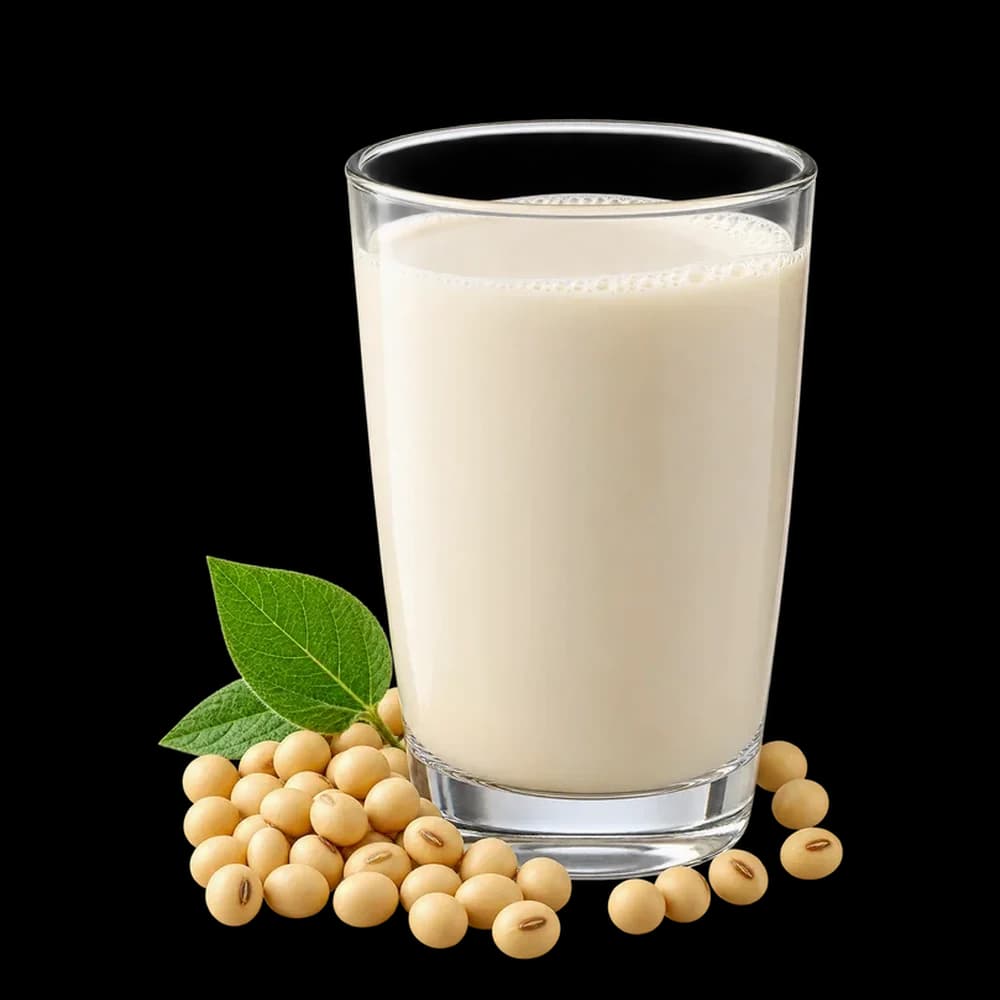
The study compares 96 plant-based drinks from the Colombian market with cow’s milk using the Health Star Rating method. The differences sit in protein, added sugars and calcium; skimmed milk ranked highest overall, then whole milk, and among plant-based drinks soy and cashew.
Microplastics in tap and bottled water: what the review found
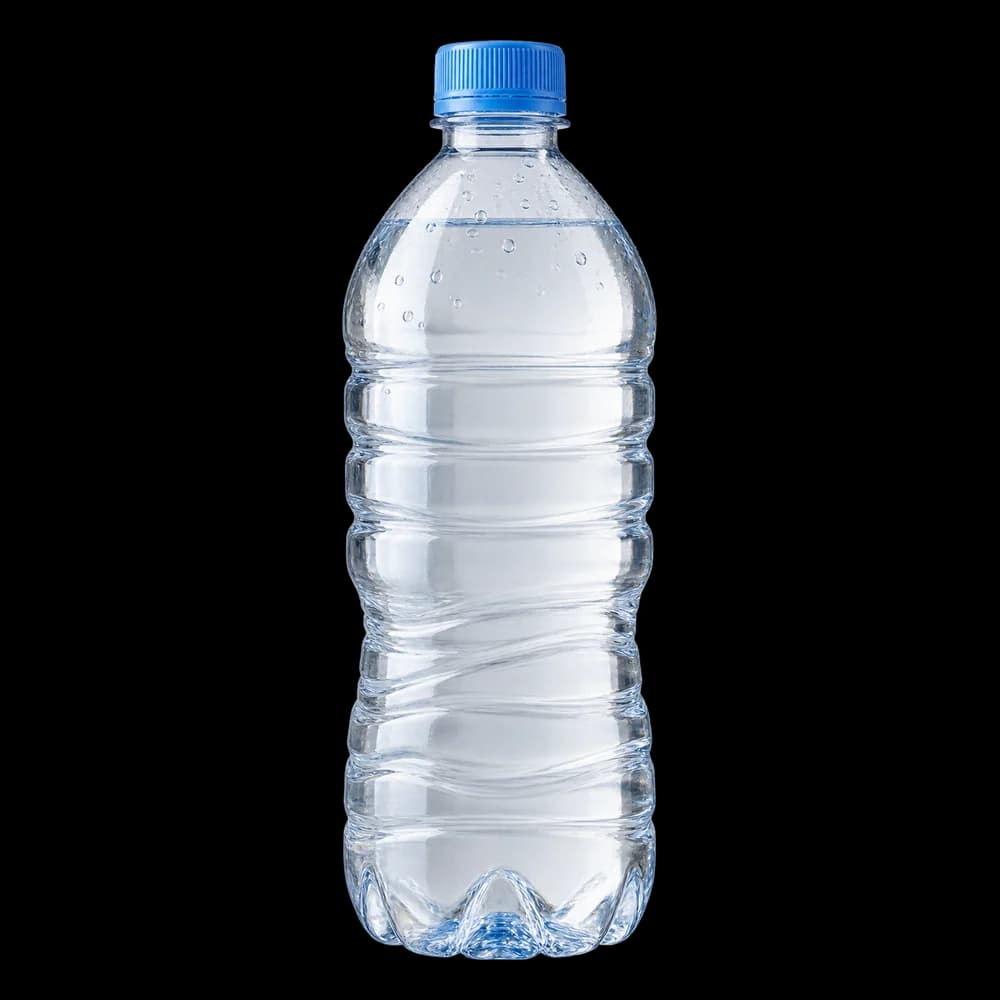
A systematic review of studies from 2010 to 2024 reports a wide range of microplastic counts: tap water from 0.7 particles per litre in rural areas to 1753 in urban surface water, bottled water up to 8934 particles per litre for the 1–50 µm range. The authors attribute the high bottled-water figures to packaging degradation.